
No More Doggy Paddling: Smooth Sailing Through Swim Registration
Why Swim Lesson Registration Doesn’t Have to Be a Sink-or-Swim Situation
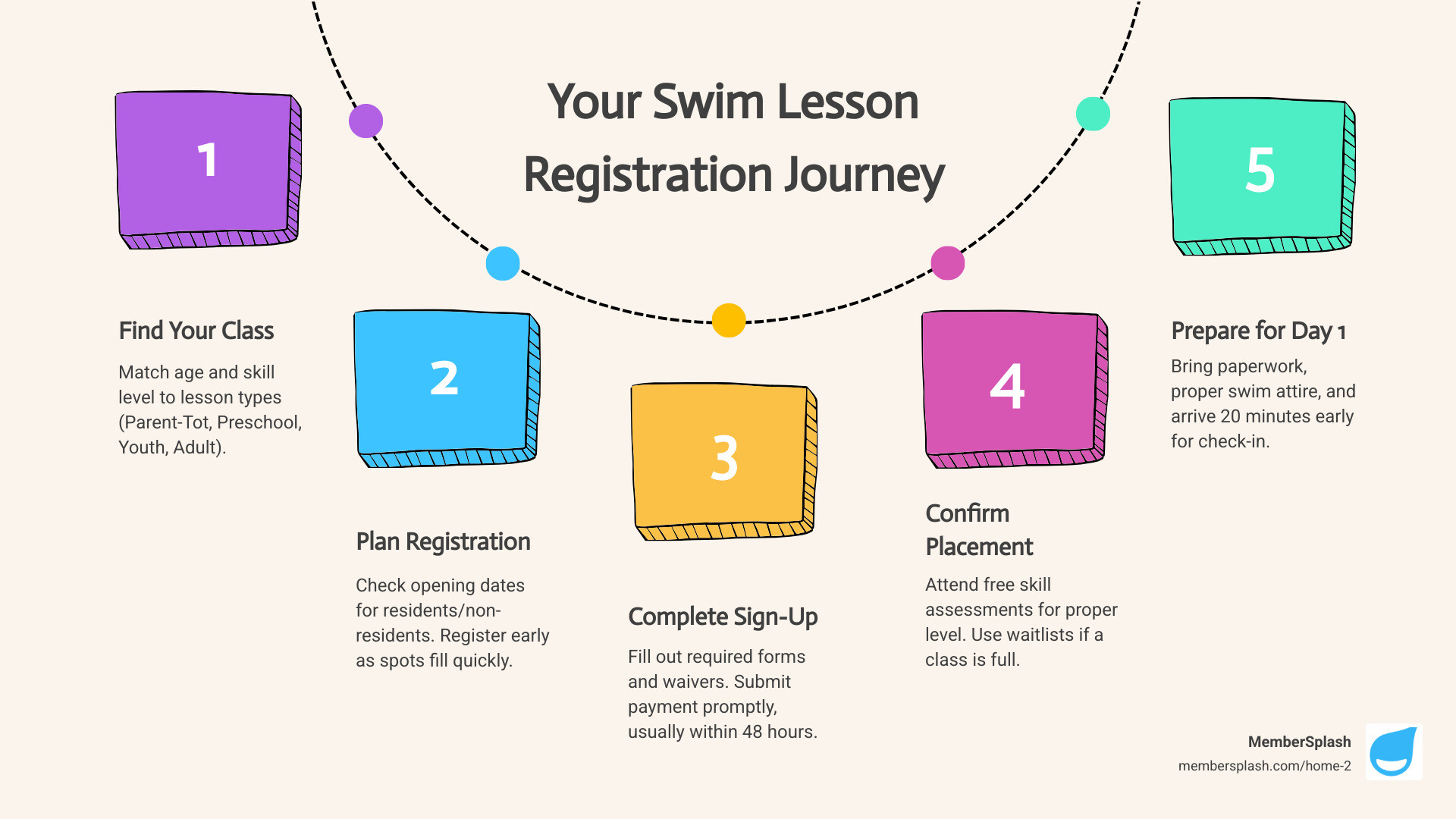
Swim lesson registration can feel overwhelming, but it breaks down into a few clear steps: find the right class for your child’s age and skill level, register during the designated window (online or in-person), pay the required fees, and show up prepared on the first day.
Quick Navigation for Swim Lesson Registration:
- Determine the Right Class – Match age and skill level to lesson types (Parent-Tot, Preschool, Youth, Adult)
- Check Registration Dates – Note when registration opens for residents vs. non-residents
- Register Early – Popular sessions fill quickly; use waitlists if needed
- Complete Required Forms – Submit waivers and registration packets
- Pay on Time – Fees typically due within 48 hours of sign-up
- Attend a Skill Assessment – Free evaluations help ensure proper placement
- Prepare for Day One – Bring completed paperwork, proper swim attire, and arrive 20 minutes early
Whether you’re a parent looking to enroll your child or a facility manager trying to streamline your registration process, the landscape has changed. Gone are the days of paper forms and long lines at the pool office. Today’s swim lesson registration happens online, with staggered opening times, capacity limits, and automated waitlists.
The challenge? Registration windows open at specific times—sometimes as early as 7 am—with resident priority periods that can make or break your chances of securing a spot. Classes fill up fast, especially during summer sessions. And if you register your swimmer for the wrong level, you might face cancellation without a refund.
The good news? Once you understand the system, registration becomes straightforward. Most programs now offer free skill assessments to help you choose the right level. Many provide online portals where you can view schedules, check availability, and complete the entire process from your phone. Some even offer incentives like free first sessions or early bird discounts.
For club managers and aquatics directors, efficient registration isn’t just about convenience—it’s about capturing revenue, managing capacity, and reducing the administrative burden that comes with coordinating multiple sessions, skill levels, and instructor schedules.
Let’s explore exactly how to steer this process, from finding the perfect class to showing up prepared on day one.
Decoding Swim Lesson Options: Finding the Perfect Fit
Before we even think about clicking that “register” button, the first step in successful swim lesson registration is understanding the types of lessons available. Think of it like choosing your adventure – do you want a gentle paddle or a full-on freestyle sprint? Most aquatic centers, like those we find in Annapolis, Baltimore, and across the US, categorize their offerings by age, skill level, and format. This ensures everyone, from the tiniest tot to the most seasoned adult, finds a comfortable and challenging environment to learn and grow.

When considering options, we always emphasize water safety. Learning to swim is a fundamental life skill, and it’s something we passionately believe in. To learn more about broader water safety standards, you can visit USA Swimming Foundation.
Parent & Child / Tot Lessons
These introductory classes are designed for our youngest swimmers, typically ranging from 6 months to 3 years old. Often called “Water Babies” or “Tiny Tot Swim,” these sessions focus on helping children adjust to the water environment. This isn’t about teaching strokes just yet, but rather building comfort, confidence, and basic water safety skills through songs, games, and gentle encouragement.
A key aspect of these lessons is parent or adult accompaniment in the water. We find this helps create a secure and familiar environment for the child. For children who are not yet toilet-trained, most programs require them to wear a swim diaper, often covered by plastic pants, to maintain hygiene in the pool. It’s a small detail that helps keep everyone swimming happily!
Preschool Lessons
Once our little fish are a bit older, generally between 3 and 5 years old, they can often transition to preschool lessons. These classes aim to foster independence in the water. While some programs, like Tiny Tot Swim – Level II, might require a prerequisite like Tiny Tot Swim – Level I, others are designed for beginners in this age group.
In preschool lessons, adults usually don’t accompany children in the water, encouraging them to interact directly with the instructor and their peers. Basic swimming and aquatic skills are introduced, often still through fun games and activities to keep them engaged. An advanced class, like Tiny Tot Swim – Level III, might be available for those who are already very comfortable in the water and can stand independently.
Youth & Teen Lessons
For children aged 6 to 17, “Learn to Swim” programs are the bread and butter of aquatic education. These comprehensive classes typically group participants by skill level, progressing through multiple stages from beginner water exploration to advanced stroke development. For instance, some programs offer six distinct levels of youth instruction.
We’ve seen some fantastic incentives here, too! For example, some organizations offer a free first session for ages 6-17 using a coupon code. This is a brilliant way to try out a program without a full commitment. Due to high demand, some programs might limit participants to one “Learn to Swim” class per session. If you’re considering more, it’s always best to check with the facility first.
Adult Lessons
Who says learning to swim is just for kids? Adult lessons, typically for individuals 16 or 18 years and older, cater to a diverse range of needs. Whether someone is looking to overcome a lifelong fear of water, learn basic swimming techniques, refine their strokes, or improve their fitness, there’s an adult class out there. These lessons often span different skill levels, from absolute beginners to those looking for advanced stroke correction. We believe it’s never too late to make a splash!
Private vs. Group Lessons
When it comes to learning, we all have our preferences. Swim lessons generally come in two main flavors: group and private. Each has its own benefits, and the best choice depends on individual needs, budget, and learning style.
| Feature | Group Lessons | Private Lessons |
|---|---|---|
| Class Size | Larger (e.g., 3-8 for preschool, 10-25 for youth) | Very small (e.g., 1-3 participants per lane) |
| Personalized Attention | Shared among students, less individualized | Highly individualized, one-on-one or small group |
| Cost | Generally lower per session | Generally higher per session |
| Social Interaction | High, opportunity to learn from peers | Limited, focused on individual progress |
| Scheduling Flexibility | Fixed schedules, limited options | More flexible, often by appointment |
| Pacing | Follows group pace | Student progresses at their own pace |
| Ideal For | Social learners, budget-conscious, consistent progress | Specific skill focus, apprehension, busy schedules |
We’ve also encountered “Semi-Private Swim Lessons,” which offer a middle ground, typically with up to three participants per lane. These often require in-person registration, highlighting the need to check specific program details. For those with unique needs, adaptive private swim lessons are increasingly available, often with instructors certified in specialized programs like the Swim Whisperers Program Level 1. This shows a wonderful commitment to inclusivity in aquatic education.
Your Step-by-Step Guide to Swim Lesson Registration
Alright, you’ve picked your perfect class. Now comes the moment of truth: actually signing up! Don’t let the thought of swim lesson registration make you feel like you’re treading water. With a little preparation and understanding of the process, you’ll be gliding through it like an Olympian.
Finding the Right Session and Schedule
Timing is everything in swim lesson registration. Sessions are typically offered seasonally – Spring, Summer, Fall, and Winter – with Summer being the most popular and competitive. We’ve seen registration dates staggered, sometimes months in advance, especially for summer programs. For example, open registration for summer sessions might begin in late May or late June, with residents often getting a head start.
Many organizations provide an online calendar where you can view class schedules and upcoming registration periods. It’s crucial to mark these dates on your calendar! Resident priority is a common practice, meaning those living within the park district or city limits can register a few days or even weeks before non-residents. This is a big advantage, so if you’re a resident, be sure to capitalize on it. Registration often opens bright and early, sometimes at 7:00 AM or 9:00 AM, and popular classes can fill within minutes. Set your alarms!
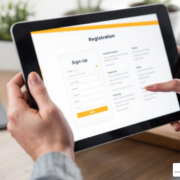
The Online Swim Lesson Registration Process
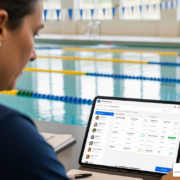
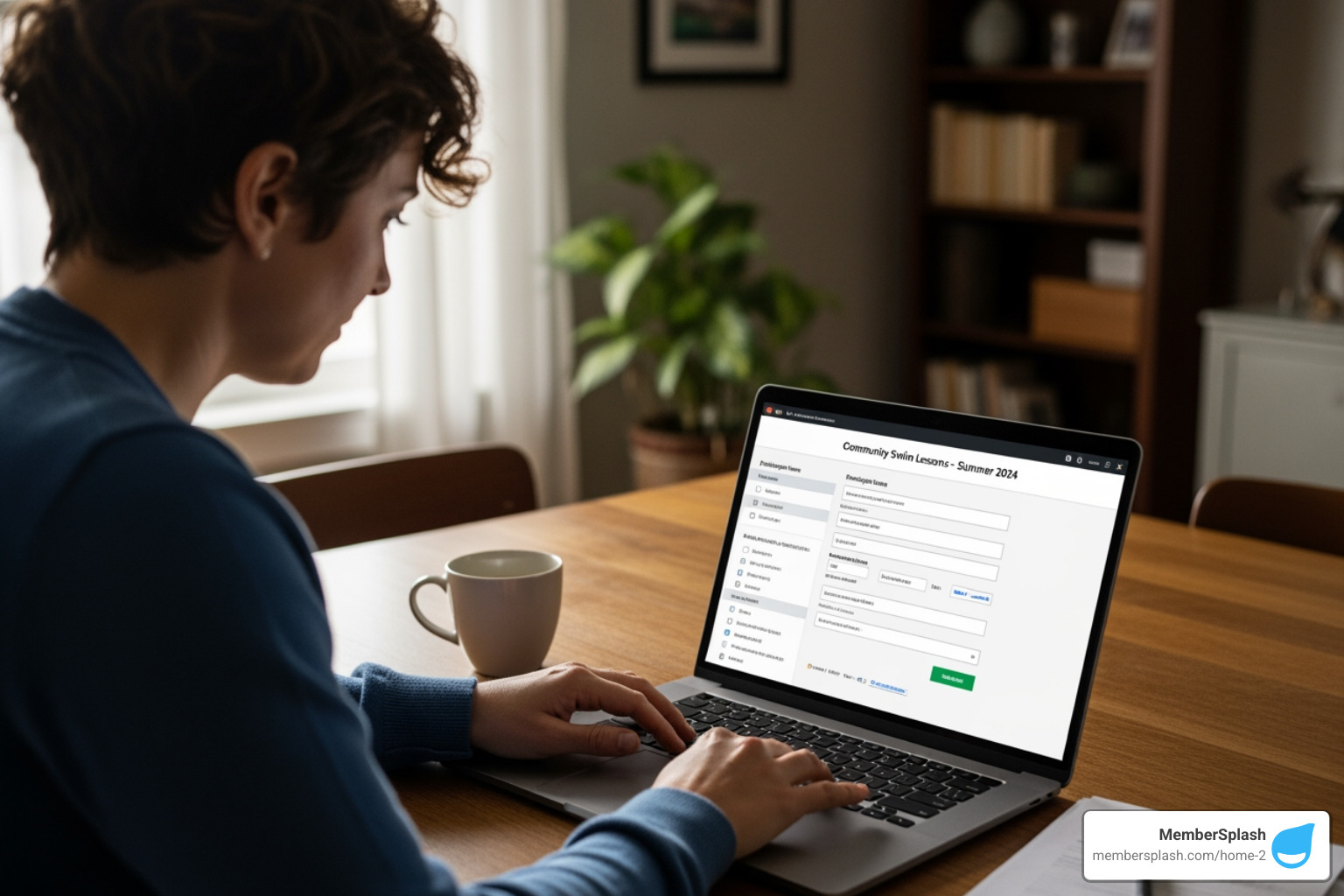
The vast majority of swim lesson registration now happens online. This is where MemberSplash shines, offering tools that make this process seamless for both registrants and facilities.
- Creating an Account: Your first step will usually be to create an account on the program’s registration portal. If you’ve registered before, you’ll simply sign in. If you forget your password, most systems allow you to recover it, or you might need to contact the aquatics office for assistance. Avoid creating a new profile if you already have one!
- Selecting Courses: Browse the available swim lessons, filtering by age, level, day, or time. We recommend having a few backup options in mind, just in case your first choice is full.
- Filling Out Forms & Waivers: The online portal will guide you through completing necessary registration forms and agreeing to waivers. This might include medical information, emergency contacts, and liability releases.
- Checkout and Payment: Once your classes are selected, you’ll proceed to checkout. This is typically where you’ll make your payment online. MemberSplash offers robust online payment processing to make this step secure and straightforward. Be aware that some programs require payment within 48 hours of online sign-up to secure your spot.
- Confirmation Emails: Always look for a confirmation email after completing your registration. This is your proof of enrollment and often contains important details for the first day of lessons.
In-Person Registration and Skill Assessments
While online registration is prevalent, some facilities still offer or require an in-person component, especially for certain programs like semi-private lessons. You might need to visit a community services department or aquatic center to finalize paperwork or make payments.
A critical step, particularly for new swimmers or those unsure of their level, is a skill assessment. Many facilities offer free swim lesson assessments by appointment. These evaluations are essential for proper level placement. If a child is registered for an incorrect class without a proper evaluation, some programs may refund the fee and cancel registration if they cannot accommodate the student in the proper level. We always encourage these assessments to ensure your swimmer is placed in the most appropriate and beneficial class.
What If a Class is Full?
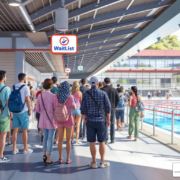
It happens! You’ve found the perfect class, but it’s already full. Don’t despair. Many programs offer waiting lists, and it’s always worth signing up for one. Modern systems, like those with automated waitlist systems, can notify you automatically if a spot opens up.
How do waitlists work? When a spot becomes available, the first person on the list is typically contacted. You’ll then have a limited time (e.g., 24-48 hours) to accept and complete registration. We’ve also observed that some facilities might expand their offerings or open new classes if there’s enough demand and staffing allows. So, adding your name to a waitlist isn’t just about hoping for an opening; it can sometimes signal to the facility that more classes are needed!
Navigating the Fine Print: Policies, Costs, and What to Expect
Before you finalize that swim lesson registration, let’s take a deep breath and review the nitty-gritty details. Understanding the costs, cancellation policies, and special considerations will save you headaches down the line. It’s like checking the depth of the pool before you jump in – always a good idea!
Understanding the Costs and Discounts
Swim lesson costs can vary widely depending on the program, duration, and location. Many community pools and park districts in the US, including those in the Annapolis and Baltimore areas, use a tiered pricing structure:
- Resident vs. Non-Resident Fees: This is a very common distinction. Residents of the local jurisdiction typically receive a discounted rate, while non-residents pay a higher fee. For example, we’ve seen programs where residents pay one price, and non-residents pay slightly more for the same course.
- Session Fees vs. Per-Class Pricing: Most lessons are sold as a “session” (e.g., 6-8 weeks of classes). Some private lessons or specialized programs might offer per-class pricing or packages.
- Discounts: Keep an eye out for special offers! These can include:
- Sibling Discounts: Reduced rates for enrolling multiple children from the same family.
- Early Bird Specials: Discounts for registering before a certain date.
- Coupon Codes: Sometimes offered for introductory classes, like a “free first session” for youth programs.
When viewing prices online, the initial price displayed might be a general membership price. The actual cost may adjust once you log into your account and your residency or membership status is recognized.
Key Policies to Know Before You Pay
This is where reading the fine print really pays off. Policies regarding cancellations, refunds, and make-up classes are crucial and vary significantly between programs.
- Cancellation Process: If you need to cancel a whole session of swim lessons, most programs require you to submit your request in writing, often via email to their registration office.
- Refund Eligibility: Refunds are generally issued under specific conditions. A common policy we’ve encountered is that refunds are only granted for doctor-documented illness or medical conditions. Without such documentation, many programs state that lessons are non-transferable and non-refundable. Be sure to check this before registering!
- Make-Up Class Policy: Missed a class? This is a common concern. Policies for make-up lessons vary greatly:
- No Make-Ups: Some programs simply do not offer make-up classes for missed sessions.
- Limited Make-Ups: Others might allow one make-up per month or session, often with specific designated make-up dates.
- Documented Exceptions: Similar to refunds, doctor-documented illness or injury is often the only exception for receiving a make-up class when they are otherwise not offered.
- Late Registration: If you register after a session has already started, make-up lessons for previously missed classes are typically not provided, and the fees are not prorated.
We always advise reviewing the swim lesson policy document provided by your chosen aquatic center before completing your swim lesson registration.
Special Considerations
A few unique situations often come up during swim lesson registration:
- Non-Toilet-Trained Children: For our youngest swimmers, particularly in parent-child or Tiny Tot levels, facilities have clear policies. Children who are not toilet-trained are almost universally required to wear a swim diaper, often with plastic pants covering it, to prevent accidents and maintain pool hygiene.
- Adaptive Swim Programs: We’re seeing more and more inclusive offerings, which is fantastic! Many programs now provide adaptive private swim lessons for individuals with special needs. These lessons are often led by instructors who have received specialized training, such as certification in the Swim Whisperers Program Level 1, to ensure they can provide custom instruction and support. If you have specific accommodation needs, don’t hesitate to reach out to the aquatics staff to discuss how they can best support you or your child.
Getting Ready for the First Splash
The swim lesson registration is complete, the fees are paid, and the excitement is building! Now, let’s make sure you’re fully prepared for that exhilarating first day. A little planning goes a long way in ensuring a smooth start and a positive experience for everyone.
Essential Gear for Swim Lessons
Think of it as your swim lesson toolkit! Having the right gear ready will help you or your child feel confident and prepared.
- Proper Swim Attire: This is non-negotiable! A comfortable, well-fitting swimsuit is key. For children, a one-piece bathing suit is often recommended for group lessons as it stays in place better during activity.
- Swim Diapers: As we discussed, for non-toilet-trained children, a swim diaper, covered by plastic pants, is a must.
- Towels: Bring at least one large, absorbent towel. Maybe even two if you like to be extra cozy after a dip!
- Goggles: While not always mandatory for beginners, goggles can significantly improve the learning experience by allowing children to see underwater clearly, which boosts confidence.
- Swim Caps: Optional, but highly recommended, especially for those with longer hair. A swim cap keeps hair out of the face and helps maintain pool hygiene.
Your First Day Checklist
We’ve all been there – that first-day rush! Here’s a simple checklist to ensure a stress-free start:
- Completed Registration Packet: If your program required you to download and print a registration packet, ensure it’s fully completed and ready to hand in. Some facilities ask you to bring this in-person on the first day.
- Arrive 20 Minutes Early: This is a golden rule! Arriving early allows ample time for check-in, finding the locker rooms, changing, and getting settled without feeling rushed. Some programs specifically request you arrive 20 minutes before the lesson starts on the first day for this very reason.
- Check-In Process: Locate the check-in desk or area. This might involve confirming your registration or receiving a wristband.
- Locker Room Etiquette: Remind children (and yourself!) about appropriate behavior in shared changing spaces.
- Meet the Instructor: Take a moment to introduce yourself and your child to their instructor. A friendly face-to-face connection can make a big difference.
- Positive Encouragement: Most importantly, bring a positive attitude! Learning to swim takes patience and practice. Encourage your child, be patient with their progress, and celebrate every small victory.
Frequently Asked Questions about Swim Lesson Registration
We know you’ve got questions, and we’re here to answer them! Here are some of the most common inquiries we hear about swim lesson registration.
What happens if I register my child for the wrong level?
This is a common concern, and it’s why skill evaluations are so important! If a swimmer is registered for the wrong level, the facility will usually try to find an appropriate class for them. However, if the correct level is full and capacity doesn’t allow for an adjustment, the swimmer may need to be removed from the session. In such cases, the class fee might be refunded, but this isn’t always guaranteed, especially if a pre-registration evaluation was highly recommended and not completed. Our advice: always prioritize evaluations to ensure proper placement and avoid any disappointment.
Are instructors certified?
Absolutely! The vast majority of reputable swim programs, including those in Annapolis and Baltimore, employ certified instructors. Common certifications include the American Red Cross Water Safety Instructor (WSI) certification, which ensures instructors have been trained in teaching swimming skills and water safety. Furthermore, as we mentioned earlier, some programs offer specialized training for their instructors, such as the Swim Whisperers Program Level 1, to provide adaptive lessons for individuals with special needs. We always recommend checking with your specific facility if you have questions about instructor qualifications.
What is the policy for make-up lessons if we miss a class?
Make-up lesson policies are one of the most varied aspects of swim lesson registration. Generally, policies fall into a few categories:
- No Make-Ups: Many programs have a strict no make-up policy, stating that participants forfeit the class if they miss it.
- Limited Make-Ups: Some might offer one make-up per session or per month, often on designated make-up days or during specific open swim times.
- Doctor-Documented Exceptions: A common exception to a no make-up rule is a doctor-documented illness or injury. If you have a medical note, you might be eligible for a make-up class or even a partial refund, depending on the program’s policy.
- No Prorating for Late Registration: If you sign up for a session after it has already started, make-up lessons for the classes you’ve already missed are typically not offered, and the registration fee is usually not prorated.
Always review the specific make-up policy of your chosen program before you register. It’s better to know upfront than to be surprised later!
Conclusion
Navigating swim lesson registration doesn’t have to be a daunting task. By understanding the different types of lessons, familiarizing yourself with the registration process, and paying attention to key policies and preparation tips, you can ensure a smooth and successful experience for yourself or your child. From the first tentative splash to confident strokes, learning to swim is a rewarding journey that offers invaluable life skills and endless aquatic enjoyment.
For clubs, HOAs, and pool management companies looking to streamline their sign-up process, a dedicated swim and tennis club software can manage everything from scheduling to payments, simplifying the entire experience. MemberSplash is here to help facilities make swim lesson registration as effortless as possible, so everyone can focus on the joy of swimming.