
Your Data, Your Decisions: A Guide to Reporting and Analytics Software
Why Your Organization Needs Reporting and Analytics Software
Reporting and analytics software transforms raw data into actionable insights that help you make better decisions for your organization. If you’re looking to understand what these tools do and which one might be right for you, here’s what you need to know:
Quick Answer: What Reporting and Analytics Software Does
- Collects and integrates data from multiple sources (membership systems, payment platforms, CRM)
- Visualizes information through dashboards and charts that are easy to understand
- Tracks key performance indicators (KPIs) like member retention, revenue, and facility usage
- Generates automated reports that save hours of manual work
- Identifies trends and issues before they become major problems
- Supports data-driven decisions across your entire organization
The numbers tell a compelling story. Organizations that foster a data-driven culture are 23 times more likely to acquire customers, and the global market for business intelligence and analytics software is projected to reach $33.3 billion by 2025. This isn’t just corporate speak—it’s about having the right information at the right time.
For club managers, HOA boards, and pool facility operators, this means finally seeing the full picture of your operations. Instead of wondering why renewals are down or which amenities are underused, you can access clear, connected, and actionable data that shows you exactly what’s happening and why.
As one pool committee member who transitioned to a data-driven system put it: the experience was “immeasurably better” with members rarely encountering difficulty and administration becoming “intuitive and quick.”
Whether you need simple membership reports or complex financial forecasting, the right analytics platform can free up your time, reduce administrative burden, and help you capture revenue you might be missing.
Understanding the Fundamentals: Core Functionalities and Types

At its heart, reporting and analytics software is designed to explain your data. It takes the myriad pieces of information flowing through your business—from membership sign-ups and payment processing to facility usage and event attendance—and transforms them into digestible, meaningful insights. Think of it as your business’s personal data interpreter, translating raw numbers into a clear narrative.
If you want a broader, neutral overview of how these tools fit into the wider business intelligence ecosystem, the business intelligence article on Wikipedia is a helpful primer.
Core Functionalities of Analytics Platforms
What exactly does this software do? We’ve identified several core functionalities that are essential for any robust analytics platform:
- Data Collection: First and foremost, the software must be able to gather data from all your disparate sources. This could include your membership database, online payment systems, event registration tools, and even customer relationship management (CRM) platforms. Modern solutions like Microsoft Fabric are designed for this, offering “data movement, data lakes, data engineering, and data integration” capabilities to bring all your information into one place.
- Data Integration: Once collected, this data needs to be harmonized. Different systems often store information in various formats, and a good analytics platform will integrate these diverse datasets so they can be analyzed together seamlessly. Oracle Analytics, for example, boasts “more than thirty-five built-in native connectors to popular data from Oracle and non-Oracle data sources,” ensuring a comprehensive view.
- Data Visualization: This is where the magic happens! Raw spreadsheets are hard to read, but visual dashboards and charts make trends and patterns immediately apparent. Solutions from companies like Five9 emphasize “visual dashboards” and “advanced data aggregation” to bring data to life, allowing us to “see the full picture” at a glance. Tableau, a recognized leader in the field, is renowned for its “visual storytelling” capabilities, helping users “see, understand and act on data.”
- Interactive Dashboards: Beyond static reports, interactive dashboards allow us to drill down into the details, filter by specific criteria, and explore data dynamically. This interactivity empowers us to ask deeper questions and get immediate answers.
- KPI Tracking: Every business has key performance indicators (KPIs) that are vital for success. Whether it’s membership renewal rates, event attendance, or revenue per member, reporting and analytics software helps us define, monitor, and track these metrics, ensuring we’re always aligned with our strategic goals.
- Automated Report Generation: Who has time to manually pull data and create reports every week or month? This software can automate the generation and distribution of routine reports, saving countless hours and ensuring that stakeholders always have access to the latest information. Five9 highlights “flexible scheduling” for report delivery, moving beyond static reports to provide dynamic insights.
Types of Analytics Solutions
Just as businesses come in different shapes and sizes, so do reporting and analytics software solutions. We can broadly categorize them by their deployment model and scope:
- Cloud-based (SaaS): These are hosted by the vendor and accessed via a web browser. They’re often subscription-based, scalable, and require minimal IT overhead. Many modern solutions, including Oracle Analytics Cloud and Tableau Cloud, fall into this category, offering flexibility and accessibility.
- On-premise: Installed and run on your organization’s own servers, these solutions offer maximum control over data and security. However, they typically demand more upfront investment and ongoing IT management. Oracle Analytics Server is an example of an on-premise offering.
- Integrated End-to-End Platforms: These comprehensive solutions aim to cover the entire data lifecycle, from ingestion to insight. Microsoft Fabric is a prime example, positioned as an “end-to-end analytics solution with full-service capabilities including data movement, data lakes, data engineering, data integration, data science, real-time analytics, data monitoring, and business intelligence—all backed by a shared platform.” The benefit of such platforms is a unified experience and reduced complexity compared to managing multiple standalone tools.
- Standalone Tools: These are specialized tools that excel in one particular area, such as data visualization or financial forecasting. While powerful, they may require more effort to integrate with other systems.
- Embedded Analytics: This refers to analytics capabilities integrated directly into other business applications. For instance, a membership management system might have embedded analytics to show member demographics or payment trends within the platform itself, making insights readily available in context. Looker, for example, offers an Embed edition focused on deploying external analytics.
How Analytics Drives Business Growth
So, beyond the technical jargon, how does all this help our business grow? The answer lies in the power of informed decision-making.
- Performance Tracking: We can continuously monitor the health of our operations. For instance, a tennis club using specialized management software can identify trends and track key performance indicators for efficient club operation, helping them understand court usage or membership activity. This allows us to see what’s working well and what isn’t, providing the foundation for continuous improvement.
- Identifying Operational Issues: Reporting and analytics software acts like an early warning system. By analyzing data, we can spot anomalies or inefficiencies that might otherwise go unnoticed. Five9’s contact center analytics, for example, helps businesses “find operational issues” before they escalate, enabling prompt corrective action. This could mean realizing certain membership tiers are underperforming or that specific events aren’t attracting the expected attendance.
- Strategic Planning: With a clear understanding of past performance and current trends, we’re better equipped to plan for the future. Whether it’s forecasting membership growth, planning new amenities, or budgeting for events, data-driven insights provide a solid basis for strategic decisions, moving us from guesswork to certainty. This proactive approach helps us adapt to changing market conditions and seize new opportunities.
- Maximizing Efficiency and Savings: Using these tools allows us to optimize resource allocation and streamline processes. By understanding where our time and money are best spent, we can improve our bottom line. For more detailed insights on this, we encourage you to explore how we help businesses maximize efficiency and savings.
Choosing the Best Reporting and Analytics Software for Your Business

Selecting the right reporting and analytics software isn’t a one-size-fits-all endeavor. It’s about finding a solution that aligns with our specific operational needs, budget, and long-term goals. With so many options available, knowing what to prioritize can feel like navigating a maze. Here’s how we approach this crucial decision.
Key Features to Look For
When we evaluate different analytics platforms, we focus on features that truly empower us to make better decisions and manage our operations more effectively:
- Customizable Dashboards: Our business is unique, and our dashboards should reflect that. We look for software that allows us to tailor dashboards to display the KPIs most relevant to our operations, whether it’s member engagement metrics for a swim club or financial health indicators for an HOA. Solutions like Oracle Analytics offer intuitive “interactive data visualizations” and “code-free drag-and-drop interfaces” to build compelling visual stories specific to our needs.
- Real-time Data Processing: In today’s environment, waiting for yesterday’s data just won’t cut it. We need platforms that can process and display data in real-time or near real-time, allowing us to react quickly to emerging trends or issues. Microsoft Fabric, for instance, emphasizes “real-time analytics” as a core capability.
- Custom Reports: While pre-built reports are helpful, the ability to generate custom reports is invaluable. This allows us to extract very specific information, analyze unique scenarios, and present data in a format that perfectly suits our audience, from board members to staff. For more on tailoring your reporting, check out our insights on custom reports.
- Key Integrations (e.g., Accounting, CRM): Data rarely lives in a silo. The most effective analytics software integrates seamlessly with our existing systems, such as accounting software (like QuickBooks or Xero) and CRM platforms. Fathom, a financial analysis tool, highlights its direct integrations with “leading accounting platforms” including QuickBooks and Xero, with “500+ reviews for QuickBooks integration” and “400+ reviews for Xero integration.” Oracle Analytics also offers “more than thirty-five built-in native connectors” to various data sources, ensuring all our data can speak to each other.
- Scalability for Growth: As our organization grows, our analytics needs will too. We need a solution that can scale with us, handling increasing volumes of data and a broader range of analytical tasks without skipping a beat.
Evaluating Pricing and Licensing Models
Understanding the cost structure of reporting and analytics software is critical for budgeting and long-term planning. The models vary significantly:
- Subscription-based (per user/month): This is a common model for cloud-based software, where we pay a recurring fee based on the number of users or specific feature tiers. For example, Oracle Analytics Cloud (OAC) offers “named user subscriptions” starting at “$162.30/month (OAC Professional Edition with ten named users).” This model provides predictable costs and flexibility.
- Consumption-based: Some cloud services charge based on usage, such as data processed or computing resources consumed. Oracle Analytics Cloud also offers pricing based on “consumption of OCPU/hour,” which can be cost-effective for variable workloads.
- Perpetual Licenses: More common with on-premise software, this involves a one-time upfront purchase for the software license, often with an additional annual fee for maintenance and support. Oracle Analytics Server (OAS) provides “perpetual named user licenses or by CPU license.”
- Free Trial Availability: Many vendors, like Fathom and Tableau, offer free trials. This is an excellent opportunity for us to test the software’s features and usability with our own data before making a financial commitment.
When evaluating these models, we consider not just the sticker price but also the total cost of ownership, including implementation, training, and ongoing support.
Ensuring Data Security, Governance, and Compliance
In an age where data breaches are a constant threat, and regulations like GDPR are paramount, ensuring the security and governance of our data is non-negotiable. Our chosen reporting and analytics software must offer robust safeguards:
- Role-based Access Control: Not everyone needs access to all data. We look for systems that allow us to define specific roles and permissions, ensuring that sensitive information is only accessible to authorized personnel. Oracle Analytics, for example, provides “application and role-based security, along with data-level security,” to tightly control access.
- Data Encryption: Data should be encrypted both in transit (as it moves between systems) and at rest (when stored). This adds a critical layer of protection against unauthorized access.
- Industry Compliance: Depending on our industry, we may have specific compliance requirements. Our analytics solution should help us meet these standards. Microsoft Fabric highlights its commitment to “robust data security, governance, and compliance,” which is essential in today’s regulatory landscape. Additionally, native integration with federated identity management systems, like those offered by Oracle Analytics, streamlines “single sign-on (SSO)” and improves overall security posture.
- Member Account Database Security: For membership organizations, the security of our member’s personal and financial data is paramount. We ensure our chosen solutions protect this sensitive information diligently. For more information on securing your member data, please visit our page on member account database security.
The Evolution of Analytics: AI, Self-Service, and Specialization
The world of reporting and analytics software isn’t static; it’s constantly evolving, driven by technological advancements and a growing demand for faster, more accessible insights. Two of the most significant shifts we’ve witnessed are the rise of artificial intelligence (AI) and machine learning (ML), and the empowerment of users through self-service analytics.
The Role of AI and Machine Learning in modern reporting and analytics software
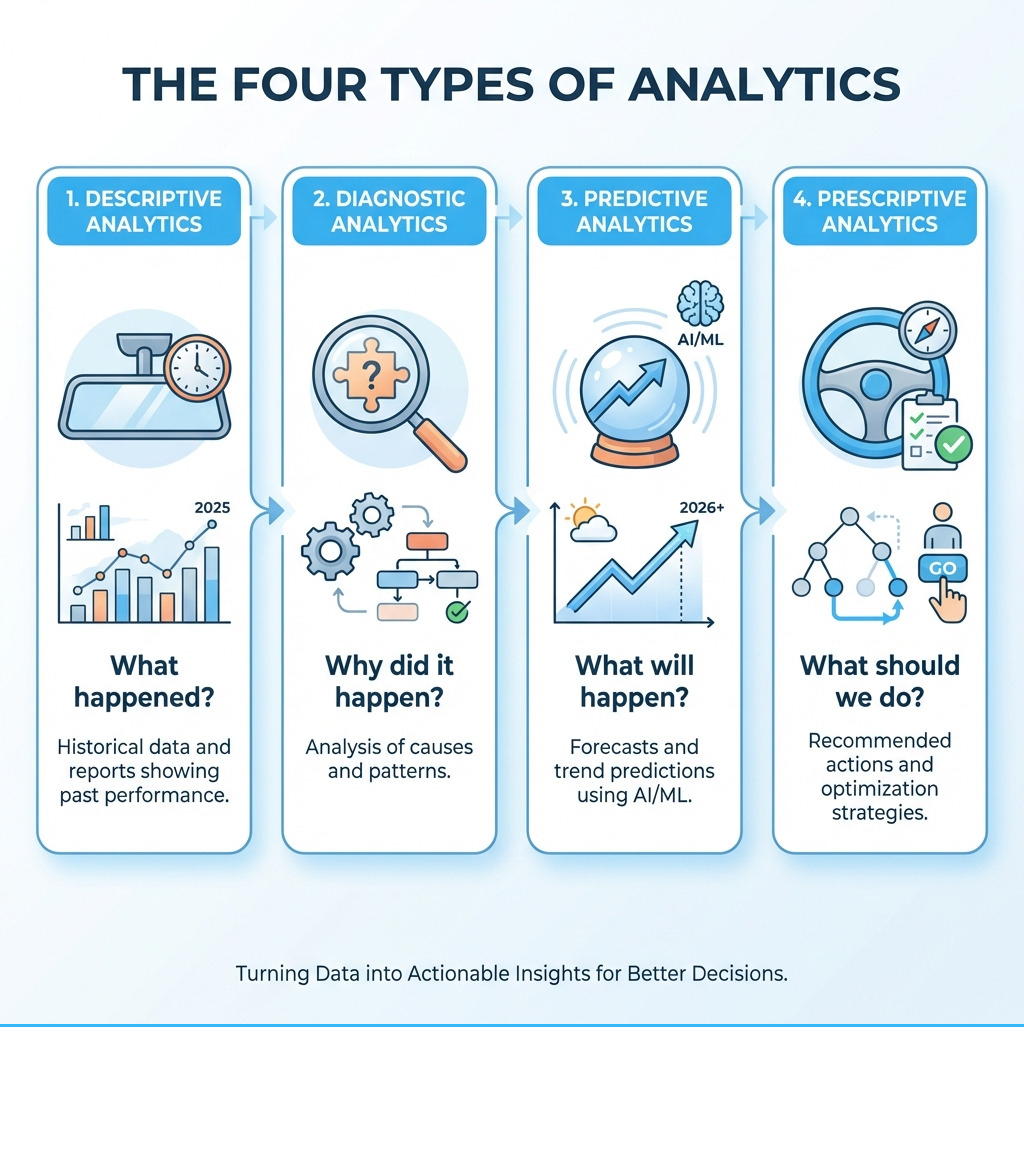
AI and ML are no longer futuristic concepts; they’re integral components of cutting-edge analytics platforms. They allow software to move beyond simply reporting what happened to explaining why, predicting what will happen, and even suggesting what we should do.
- Predictive Analytics: AI/ML algorithms can analyze historical data to identify patterns and forecast future trends. For a club, this could mean predicting peak usage times for amenities, forecasting membership churn, or anticipating revenue streams. Fathom, for instance, provides “fast cash flow forecasting” and “three-way cash flow forecasts” that leverage sophisticated algorithms to help businesses “look to the future, confidently.”
- Natural Language Querying (NLQ): Imagine asking your data a question in plain English and getting an immediate, visual answer. This is the promise of NLQ. Platforms like ThoughtSpot are pioneering this, empowering users to “explore and gain insights from any data, using patented natural language processing to answer complex questions.” Oracle Analytics also offers “natural language query (text or voice)” capabilities, allowing us to interact with data verbally.
- Anomaly Detection: AI can continuously monitor data streams to automatically flag unusual patterns or outliers that might indicate a problem or an opportunity. This proactive identification of “operational issues” (as Five9 highlights) helps us intervene before minor issues become major headaches.
- Automated Insights: Instead of requiring us to manually search for insights, AI can surface them proactively. Oracle Analytics embeds “AI and ML throughout the platform to accelerate productivity and power better business decisions,” including “explainable machine learning” that helps us understand why a model made a particular prediction. Tableau is also pushing boundaries with “Tableau Next,” which it positions as the “world’s first agentic analytics platform,” suggesting AI-driven autonomous insights and actions.
The Power of Self-Service Analytics
Historically, accessing complex data insights required specialized data analysts. But with self-service analytics, that power is put directly into the hands of business users.
- Empowering Non-technical Users: Self-service tools feature intuitive interfaces, often with “code-free drag-and-drop” functionality like that found in Oracle Analytics. This means our team members, regardless of their technical expertise, can create their own reports and dashboards, reducing reliance on IT departments and accelerating decision-making. ThoughtSpot champions this, aiming to “empower everyone, regardless of technical expertise.”
- Faster Insights: When users can directly explore data, the time from question to answer shrinks dramatically. This agility allows us to respond more rapidly to market changes or operational challenges.
- Fostering a Data Culture: By making data accessible and understandable, self-service analytics helps to “build a Data Culture” within our organization, as emphasized by Tableau. When everyone feels comfortable interacting with data, it becomes a shared asset, leading to more informed decisions across all departments. This is a significant factor in why “organizations that foster a data-driven culture are 23 times more likely to acquire customers.”
Niche and Industry-Specific Analytics Solutions
While general-purpose analytics tools are powerful, some businesses benefit immensely from solutions custom to their specific industry or function.
- Financial Analysis & Forecasting: For businesses where financial health and future projections are paramount, specialized tools shine. Fathom, for example, “combines insightful reporting, fast cash flow forecasting and actionable financial insights into one refreshingly easy business management solution.” It caters to specific needs such as “financial analysis and forecasting,” and is used by “99,000+ businesses worldwide.” Its “Fathom Portfolio” feature is even designed for accounting firms to “monitor, identify and engage with their entire client base,” showcasing its specialized financial focus.
- Contact Center Optimization: Businesses with customer service operations can leverage contact center analytics to dramatically improve efficiency and customer satisfaction. As the Five9 demo highlights, “Data drives decisions—but only when it’s clear, connected, and actionable.” These solutions track metrics like call volumes, resolution times, and customer sentiment to “track and manage performance for your unique business needs” and “find operational issues.” Contact center analytics specifically improve business operations by turning raw interaction data into actionable insights for agents and executives alike.
- Event Management Analytics: For organizations that host numerous events, specialized software can provide crucial insights into attendee trends, ticket sales, and overall event success. For example, club management platforms with built-in analytics can track detailed reports on member activity and court usage, helping to optimize operations and improve member engagement. These tools help us understand what makes an event successful and how to improve future offerings.
- Membership Management for Clubs and HOAs: For organizations like ours, managing member data, facility access, and financial transactions generates a wealth of information. Specialized analytics within membership management platforms can provide insights into member demographics, renewal rates, popular amenities, and revenue streams. This helps us tailor our offerings, improve member satisfaction, and ensure financial stability. To learn more about how analytics applies to managing HOAs and properties, explore our resources on membership management for clubs and HOAs.
Frequently Asked Questions about Reporting and Analytics Software
We understand that diving into reporting and analytics software can bring up a lot of questions. Here, we address some of the most common inquiries we encounter from businesses like ours.
How long does it take to implement an analytics solution?
The implementation timeline for an analytics solution can vary significantly, ranging from a few days to several months. Several factors influence this:
- Cloud vs. On-premise: Cloud-based (SaaS) solutions often have a faster deployment time, as the infrastructure is already managed by the vendor. On-premise solutions, conversely, require more time for hardware setup, software installation, and configuration within your own IT environment.
- Data Complexity and Volume: If your data is scattered across many systems, requires extensive cleaning, or is in vast quantities, the data integration phase will naturally take longer. Simpler data structures and smaller volumes can be onboarded more quickly.
- Customization Needs: Highly customized dashboards, reports, and integrations will extend the implementation period compared to using out-of-the-box features.
- Team Readiness: The availability and technical proficiency of your internal team, as well as their readiness to adopt new tools, also play a role.
Fortunately, many providers offer support to streamline this process. We also offer supported implementation services to ensure a smooth transition and rapid adoption of your new analytics capabilities.
Can small businesses benefit from reporting and analytics software?
Absolutely! While enterprise-level solutions might seem daunting, small businesses in Annapolis, Baltimore, and across the United States can significantly benefit from reporting and analytics software.
- Affordable Cloud Tools: The rise of cloud-based solutions has made powerful analytics more accessible and affordable than ever. Many platforms offer tiered pricing models that cater to smaller budgets, often starting with free trials or basic plans. Fathom, for example, positions itself as an “all-in-one reporting, analysis & forecasting” tool that is “refreshingly easy” and caters to “Small & Medium Business.”
- Track Key Metrics: Small businesses can use these tools to monitor crucial aspects of their operations, such as customer acquisition costs, sales performance, and marketing campaign effectiveness, without needing a dedicated data science team.
- Understand Customer Behavior: Analytics can reveal invaluable insights into who your customers are, what they buy, and how they interact with your business, allowing for more targeted marketing and improved customer service.
- Optimize Operations: By identifying inefficiencies and areas for improvement, small businesses can streamline processes, reduce waste, and increase profitability. This could be as simple as understanding which days your facility sees the most traffic to better allocate staff.
Reporting and analytics software levels the playing field, giving small businesses the data-driven edge traditionally reserved for larger corporations.
What’s the difference between reporting and analytics?
This is a common question, and understanding the distinction is key to leveraging these tools effectively.
- Reporting shows what happened: Reporting is like looking in the rearview mirror. It summarizes historical data to present facts and figures about past events. For instance, a report might show that “we had 150 new members last month” or “our revenue from events was $5,000 in Q3.” It’s descriptive, providing a snapshot of performance. Reports are often static and provide answers to “what” questions.
- Analytics explains why it happened: Analytics, on the other hand, is about looking at the road ahead and understanding the journey. It digs deeper into the data to uncover patterns, correlations, and causal relationships. Using the above example, analytics would explore why we had 150 new members (e.g., a successful marketing campaign, a new amenity) or why event revenue was $5,000 (e.g., specific event types performed better, increased ticket prices). Analytics aims to answer “why” and “how” questions, often leading to “what if” scenarios and future predictions. It’s interactive, allowing us to manipulate data and explore different hypotheses.
In short, reporting is presenting data; analytics is interpreting it to gain insights and guide future actions. While reporting is foundational, analytics adds the critical layer of understanding necessary for strategic decision-making.
Conclusion: Making the Right Decision for Your Data-Driven Future
In an increasingly data-rich world, the ability to transform raw information into actionable insights is no longer a luxury—it’s a necessity. Reporting and analytics software empowers us to understand our past, optimize our present, and strategically plan for our future. From the core functionalities of data collection and visualization to the cutting-edge capabilities of AI and self-service analytics, these tools are revolutionizing how businesses operate.
We’ve seen how integrated platforms like Microsoft Fabric offer end-to-end solutions, how specialized tools like Fathom cater to financial forecasting, and how industry-specific applications can optimize event and membership management. The benefits are clear: improved performance tracking, proactive identification of operational issues, and the ability to foster a data-driven culture that leads to better decision-making and increased customer acquisition.
Choosing the right reporting and analytics software is about finding the perfect fit for our unique needs, considering key features, evaluating pricing models, and prioritizing robust data security. For membership organizations like ours, using the power of our data means more efficient operations, happier members, and sustained growth.
Ready to open up the full potential of your organization’s data? Contact us to learn more about our management solutions, and let us help you transform your data into your most powerful decision-making asset.