Maryland’s Aquatic Adventures: Clubs, Lessons, and Teams Galore!
Why Maryland Swim Clubs Offer Something for Everyone
Maryland swim club options span from Olympic-level training facilities to neighborhood social pools, serving families, competitive athletes, and community members across 21 counties. Whether you’re seeking elite athletic development, summer fun, or learn-to-swim programs, Maryland’s aquatic landscape has you covered.
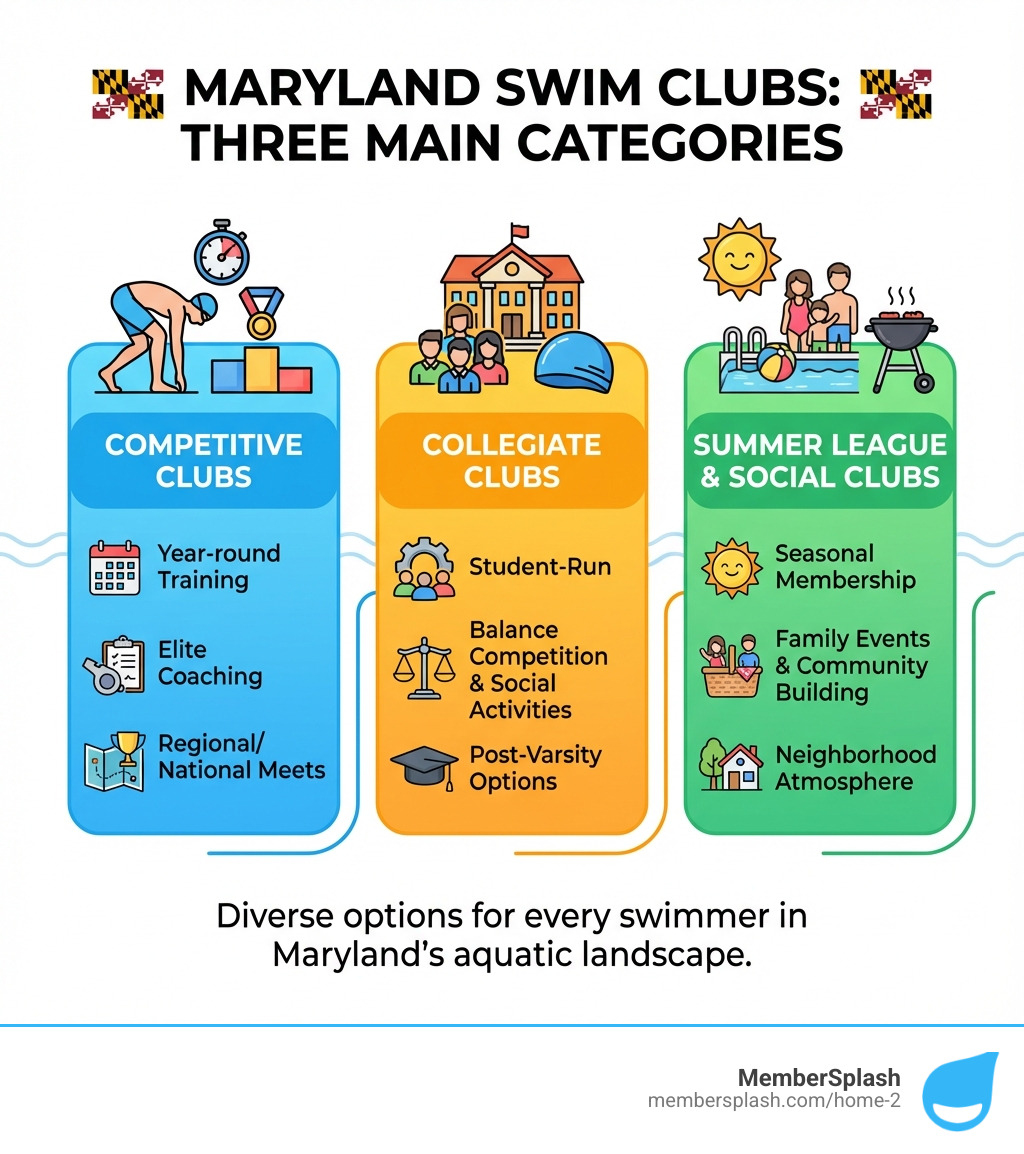
Quick Guide to Maryland Swim Club Types:
- Competitive Year-Round Clubs – Elite training programs like North Baltimore Aquatic Club (14 Olympic athletes, 50+ medals since 1984) and Rockville Montgomery Swim Club (1,700+ swimmers, 80+ coaches across 5 sites)
- Collegiate Club Teams – University programs like UMD Club Swim Team, the only on-campus option since the varsity team ended in 2009
- Community & Social Clubs – Limited-membership pools like Watermont Swim Club (350 family cap, 2-3 year waiting lists) offering summer leagues and social events
- Learn-to-Swim Programs – Organizations like 4M Swim Club, which has taught more African-Americans to swim in Baltimore than any other entity since 1972
Maryland Swimming serves as the local governing body for USA Swimming programs in 21 of Maryland’s counties, excluding Prince George’s and Montgomery. The state’s clubs range from internationally recognized powerhouses producing Olympians and NCAA champions to intimate neighborhood pools with bonds systems and barbecue socials.
The diversity is real. You’ll find clubs with $800 annual dues and $600 bond purchases, programs accepting beginners through former national-level athletes, and teams competing everywhere from local Central Maryland Swim League dual meets to Olympic trials.
The Landscape of Maryland Swim Clubs: From Competitive Powerhouses to Community Pools
When we dig into Maryland swim club options, we quickly realize the sheer variety available. It’s not a one-size-fits-all scenario; instead, we see a rich mix of aquatic communities catering to diverse needs and aspirations. From intense year-round competitive training to laid-back summer fun, Maryland has fostered a vibrant swimming culture.
At the heart of the state’s competitive swimming scene is Maryland Swimming, the local governing body for USA Swimming competitive swimming programs across 21 of Maryland’s counties. This organization plays a crucial role in overseeing meets, setting standards, and providing resources for clubs, coaches, and athletes. It’s affiliated with Eastern Zone Swimming and USA Swimming, ensuring that our local competitive swimming adheres to national guidelines and offers pathways to higher levels of competition. Maryland Swimming’s mission is clear: “To make swimming the sport of choice for Maryland,” by providing opportunities for athletes to participate, reach their full potential, and develop life-long skills.
Beyond the governing bodies, we find various club categories:
Competitive Swim Clubs
These are the powerhouses of the Maryland swimming world, offering year-round training and a relentless focus on athlete development. Clubs like the North Baltimore Aquatic Club (NBAC) and Rockville Montgomery Swim Club (RMSC) exemplify this category. Their programs are designed for swimmers of all ages who are serious about competitive swimming, emphasizing skill progression, rigorous training, and participation in local, regional, and even national meets. These clubs often boast state-of-the-art facilities and highly experienced coaching staff dedicated to nurturing talent from a young age through to elite levels.
Collegiate Club Teams
For students who want to continue swimming after high school without the intense commitment of a varsity program, collegiate club teams are a fantastic option. The UMD Club Swim Team is a prime example of this, serving as the only place on campus for Terps to swim since the varsity team was cut in 2009. These student-run organizations provide a platform for swimmers of all skill levels, from beginners to former varsity or national-level athletes, to practice, compete, and socialize. They balance competitive opportunities with a strong social component, often participating in regional and national club swimming championships while also organizing team-building activities like barbecues and community service. It’s a wonderful way to maintain fitness, enjoy the sport, and build camaraderie during college years.
Summer League and Social Clubs
For many families, summer means sun, fun, and the neighborhood pool. Summer league and social clubs embody this spirit, offering a more relaxed, family-oriented atmosphere. These clubs, like Watermont Swim Club, typically operate seasonally and are centered around community building. They often feature summer swim teams that compete in local leagues, such as the Central Maryland Swim League, providing a taste of competition in a supportive environment. Beyond the lanes, these clubs are social hubs, hosting family events, movie nights, and adult socials. They are about creating memories, fostering friendships, and enjoying the communal joys of summer.
Diving into Maryland’s Elite: A Look at Top Competitive Teams
When we talk about competitive swimming in Maryland, we’re not just discussing local meets; we’re talking about a legacy that has produced Olympic champions and set national records. Our state is home to some truly remarkable clubs that have shaped the landscape of American swimming.
Notable Maryland Competitive Clubs
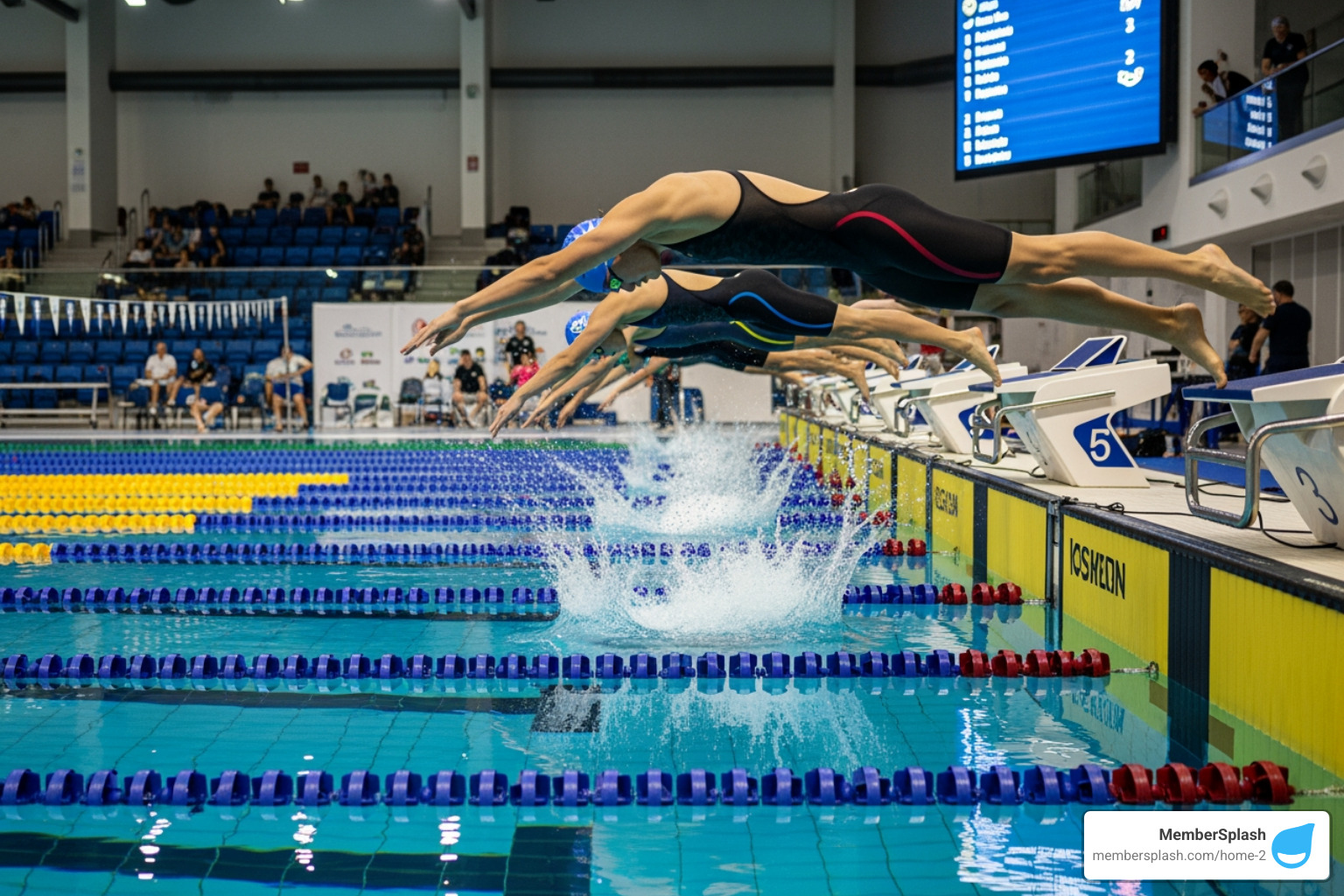
Maryland’s competitive clubs are synonymous with excellence. They are breeding grounds for talent, where young swimmers hone their skills under the guidance of elite coaches, often dreaming of Olympic glory.
The North Baltimore Aquatic Club (NBAC) is a name that resonates far beyond Maryland. Established in 1968, NBAC has a mission to support the regional swimming community in developing outstanding young men and women. Their core values of opportunity, development, and fellowship have fueled a legacy of excellence. NBAC’s achievements are simply astounding: they’ve developed 14 Olympic and Paralympic athletes who have accumulated over 50 medals since 1984, with at least one gold won in each of the last five decades. They boast hundreds of National Age Group, American, and World Records. NBAC’s approach to athlete development is phased, progressing from “Findy” for the youngest swimmers to “Imagination,” “Challenge,” and finally “High Performance” for elite athletes. What might be considered extraordinary elsewhere, they say, occurs daily at NBAC. They train at multiple top-tier facilities, including Loyola University and Goucher College, and were ranked #16 on the USA Swimming / ASCA Top 100 Age Group Teams List.
Another titan in the state is the Rockville Montgomery Swim Club (RMSC). Operating as a joint program between the City of Rockville and Montgomery County Recreation, RMSC is recognized as one of the most successful age group and senior level swim teams in the United States. With over 80 coaches and more than 1700 swimmers across five sites, RMSC offers a comprehensive program for every competitive level, from mini-team to national caliber. Their mission emphasizes individual progress, team unity, and family participation, all while being committed to excellence and dedicated to developing “world-class citizens and world-class athletes.” RMSC has produced thousands of high-quality swimmers, numerous national age group record holders, and alumni who have become Olympians, NCAA, and international champions. They’ve been named a USA Swimming Gold Medal Club, a testament to their consistent high performance.
These clubs engage deeply with USA Swimming, adhering to its standards and participating in its programs, which include Safe Sport initiatives to ensure a healthy and positive environment for all athletes. Their success is built on structured programs, dedicated coaching, and a strong community focus that supports both athletic and personal growth.
Other Regional Standouts
While NBAC and RMSC lead the charge, other competitive clubs across Maryland also make significant contributions to the swimming community.
The Annapolis Swim Club (ASC) and Cape St. Claire Swim Club in Annapolis are key players, providing competitive opportunities and developing local talent. These clubs, like their larger counterparts, offer structured training and participate in regional competitions, fostering a love for the sport and competitive spirit among their members.
These clubs, whether they are producing Olympians or nurturing regional champions, share a common thread: a commitment to the sport, athlete development, and community engagement. They often integrate character-building into their training philosophy, recognizing that the lessons learned in the pool extend far beyond the water.
More Than Just Laps: Community-Focused and Social Swim Clubs
Beyond the pursuit of medals and records, Maryland swim club options also shine as vibrant community hubs, offering a blend of aquatic enjoyment, social interaction, and vital life skills. These clubs are often the heart of their neighborhoods, providing a safe and fun environment for families to connect and cool off during the warmer months.
A Mission to Teach: Community Swim Initiatives
One of the most impactful roles of community-focused swim clubs is teaching water safety and swimming skills. The 4M Swim Club in the Baltimore Metropolitan area stands out with its powerful mission: “Fulfilling the dream of no child drowning since 1972.” This club has taught more African-Americans how to swim in the Baltimore area than any other learn-to-swim entity. Their long-standing commitment to this critical life skill is truly commendable. 4M Swim Club offers programs for all ages, including youth and adult swim sessions, competitive teams (the Yellowjackets), and even Masters Swimming. Their focus on creating a culture around swimming for the entire community highlights the broader social responsibility that many swim clubs accept. They are affiliated with US Masters Swimming and USA Swimming, demonstrating their commitment to recognized standards even within their community-centric approach.
The Baltimore Swim & Social Club also contributes to the social fabric of the city, focusing on creating a “Dine + Swim + Vibe” experience that blends recreation with community engagement. These initiatives demonstrate how swim clubs can be powerful agents for positive change, extending their reach beyond mere recreation.
The Social Hub: A look at a typical Maryland swim club
Many Maryland swim club facilities operate with a strong emphasis on community and social interaction, often employing unique membership models to foster a close-knit atmosphere.
The Watermont Swim Club, for example, is a not-for-profit organization that prides itself on a “welcoming family-feel.” To maintain this, they limit their membership to 350 families. This limited capacity means that new members often face a waiting list; as of May 2024, there were 112 families on the list, with new applicants expected to wait until 2026 or 2027 for an offer.
Their membership structure includes a non-refundable application fee, a one-time capital improvements fee, annual dues ($800 in 2024), and a bond purchase ($600). The bond is refunded when a member leaves and it’s sold to the next person on the waiting list, creating a sustainable model for the club. Watermont doesn’t have residency requirements, making it accessible to a broader community.
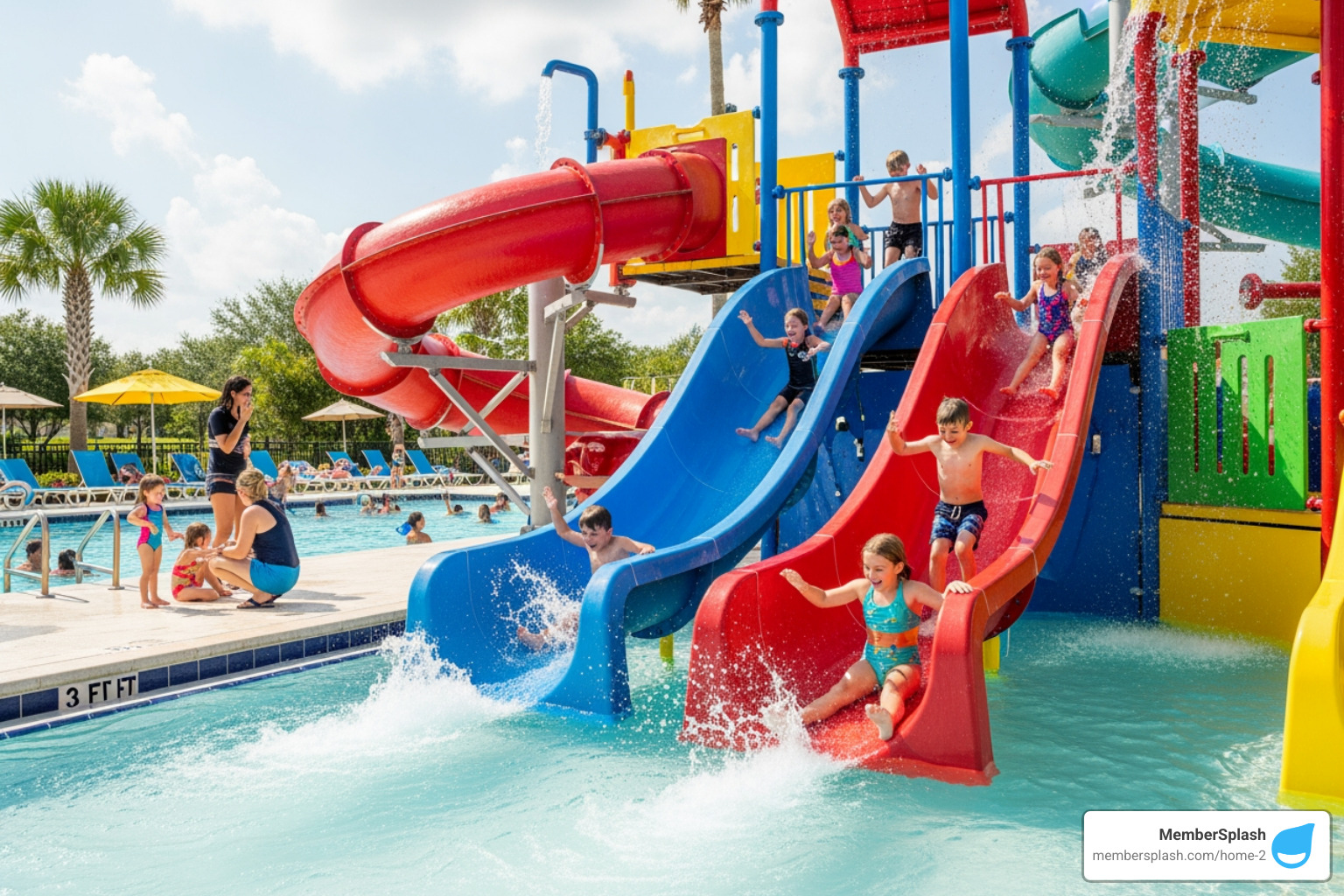
Beyond the structured membership, Watermont offers a vibrant social calendar. Their Bullfrogs swim team participates in the Central Maryland Swim League (CMSL), competing in dual meets with other Division 1 teams. But the fun isn’t just in the races; the club hosts family-friendly events like movie nights and adult socials, boasting amenities such as a 25-meter pool with a deep well, diving board, waterslide, toddler pool, clubhouse, and picnic areas. These features, combined with their active membership and constant facility improvements since their founding in 1967, ensure that Watermont remains a cherished “home away from home” for its members.
These social clubs remind us that swimming is not just an individual sport but a communal activity that strengthens neighborhood ties and provides cherished seasonal enjoyment.
Finding Your Fit: Programs for Every Age and Skill Level
One of the most appealing aspects of Maryland swim club offerings is the sheer breadth of programs available, ensuring that everyone, from a nervous toddler taking their first dip to a seasoned adult looking for fitness, can find their aquatic niche. Our goal is always to foster a lifelong love for swimming, and the diverse programs across the state make that possible.
Learn-to-Swim and Youth Programs
For many, the journey into the water begins with learn-to-swim programs. These initiatives are foundational, focusing on water safety fundamentals, basic stroke mechanics, and building confidence in the water. Clubs like the 4M Swim Club, with its mission of “no child drowning,” are at the forefront of these efforts, offering youth sessions that introduce children to the joys and safety of swimming. Pre-team groups often bridge the gap between lessons and competitive swimming, allowing young swimmers to gain comfort with structured practices before committing to a full team.
Competitive Age Group and Senior Teams
As swimmers develop, they can transition into competitive age group and senior teams. These programs are designed for athletes seeking to improve their technique, endurance, and speed. They adhere to competitive standards set by organizations like USA Swimming and Maryland Swimming, preparing swimmers for local, regional, and national meets. Clubs like NBAC and RMSC offer highly structured pathways for progression, with dedicated coaching and advanced training methodologies. For many high school swimmers, these teams also serve as a crucial pathway for college recruitment, showcasing their talents at various events and aspiring to compete at the NCAA level. The UMD Club Swim Team, for instance, accommodates a wide range of skill levels, from beginners to former national-level athletes, allowing college students to continue their competitive journey.
Masters Swimming and Adult Programs
Swimming isn’t just for the young! Masters Swimming and adult programs provide fantastic opportunities for adults to maintain fitness, refine their strokes, and even compete. Whether you’re a former collegiate swimmer looking to get back in the water or an adult seeking a challenging and social workout, these programs offer flexible practice schedules and a supportive community. Many competitive clubs, such as 4M Swim Club, offer Masters Swimming, and social clubs often have dedicated lap swimming times or adult-focused events. It’s a wonderful way to enjoy the health benefits and camaraderie of swimming throughout adulthood.
The Nuts and Bolts: Joining and Managing a Maryland Swim Club
Navigating Maryland swim club memberships can seem complex, but understanding the typical structures, costs, and processes makes it much clearer. From annual dues to bond purchases, and increasingly, the role of technology, we’ll break down what you need to know.
Understanding Membership and Costs
Membership models vary significantly between competitive, collegiate, and social clubs. Competitive clubs typically have program fees based on squad level and training intensity, often requiring annual registration with USA Swimming. Collegiate clubs like UMD Club Swim Team usually have lower fees, primarily covering operational costs and meet entry fees, as they are student-run.
Social and community clubs, on the other hand, often feature a family-centric model. Watermont Swim Club offers a clear example of this:
- Application Fee: $150 (non-refundable, credited to bond purchase).
- Bond Purchase: $600 (refunded upon sale when leaving the club). This system ensures long-term investment in the club.
- Capital Improvements Fee: $100 (one-time).
- Annual Dues: $800 (for 2024).
- Guest Fees: $10 per person, or a book of 10 for $75.
For new members at Watermont in 2024, the total initial cost would be approximately $1450. Many popular social clubs, like Watermont, have limited memberships (e.g., 350 families) and can have extensive waiting lists, sometimes several years long. This indicates high demand and the value members place on the community aspect.
Here’s a simplified comparison of typical costs and commitments:
| Feature | Competitive Clubs (e.g., NBAC, RMSC) | Social/Community Clubs (e.g., Watermont) | Collegiate Clubs (e.g., UMD Club Swim Team) |
|---|---|---|---|
| Commitment | Year-round, multiple practices/week, frequent meets | Seasonal (summer), optional swim team, social events | Semester-based, 2-3 practices/week, few competitions |
| Primary Focus | Athlete development, competitive success, technique refinement | Family recreation, community building, summer fun | Fitness, camaraderie, continued competitive outlet |
| Typical Costs | Higher annual fees (can be $1000s), USA Swimming registration, gear | Annual dues ($500-$1000+), bond purchase, application fees, guest fees | Lower fees ($100-$300/semester), meet fees, travel costs |
| Membership | Open to all skill levels, but structured progression | Limited family memberships, waiting lists, no residency requirements | University students only, wide skill range |
How Technology Streamlines the Experience
In today’s world, Maryland swim club management increasingly relies on technology to improve efficiency and member experience. We see clubs adopting sophisticated platforms for various operational needs:
- Online Registration: Clubs use online portals to simplify the signup process for new and returning members.
- Digital Payment Processing: Secure systems allow for easy collection of dues, fees, and event payments, offering convenience for members and streamlining financial management for clubs. This is where solutions for digital payment processing really shine.
- Communication Platforms: Bulk email systems and text alerts keep members informed about practice changes, meet schedules, and social events. Watermont Swim Club, for example, uses RainedOut for text alerts.
- Member Database Management: Comprehensive systems manage member profiles, contact information, and participation history, providing clubs with a central hub for all member data. This is crucial for efficient member database management.
- Automated Waitlist Management: For clubs with limited memberships and high demand, technology can automate waitlist processes, ensuring fairness and reducing administrative burden. Explore tools for automated waitlist management.
- Check-in and Access Control: Some facilities use smart technology, like biometric or mobile-enabled access, to ensure quick and secure entry, monitor attendance, and streamline operations, reducing the need for constant staff oversight.
These technological advancements are vital for streamlining club operations and allowing staff to focus more on member engagement rather than administrative tasks.
The Joining Process for a Maryland Swim Club
Joining a Maryland swim club typically involves a few key steps:
- Scheduling a Placement or Tryout: For competitive clubs, this assesses a swimmer’s skill level and places them in the appropriate training group. Social clubs usually don’t require tryouts, but some may have an interview process or require sponsorship from existing members (like the Westminster Riding Club, which we’ve excluded due to location, but it’s a common practice).
- Completing Registration Forms: This involves providing personal information, health details, and signing waivers. Online portals have made this process much smoother.
- Reviewing Team Handbooks: Clubs often provide comprehensive handbooks outlining policies, expectations, practice schedules, and codes of conduct.
- New Member Orientation: Some clubs offer sessions to welcome new families, explain club culture, and answer any questions.
Regardless of the club type, our aim is to make the joining process as welcoming and efficient as possible, ensuring that every new member feels like a part of our aquatic community from day one.
Conclusion
Maryland’s aquatic scene truly offers something for everyone. From the rigorous training and Olympic aspirations fostered by competitive powerhouses like the North Baltimore Aquatic Club and Rockville Montgomery Swim Club, to the vibrant community spirit and summer fun found at social clubs like Watermont Swim Club, our state is a swimmer’s paradise. Collegiate teams like the UMD Club Swim Team provide a continued outlet for student-athletes, while vital initiatives like the 4M Swim Club in Baltimore ensure that life-saving swim skills are accessible to all.
We’ve explored the diverse missions, from developing world-class athletes and citizens to preventing child drowning and fostering lifelong connections. We’ve seen how clubs cater to all ages and skill levels, from learn-to-swim programs and youth teams to competitive age-group and Masters swimming. And we’ve highlighted how modern technology is increasingly vital in managing memberships, processing payments, and streamlining communications, making the club experience smoother for everyone involved.
Finding the right Maryland swim club means balancing your personal goals—whether they’re competitive, social, or skill-based—with the community and programs each club offers. We encourage you to dive in and find the incredible aquatic adventures that await you in Maryland!